Radiant Barrier vs. Attic Insulation: Do You Need Both in a Prescott-Area Home?
"Should I get a radiant barrier or add more insulation?" is one of the most common questions we hear from Prescott, Prescott Valley, and Dewey-Humboldt homeowners, and it's built on a slight misunderstanding. Radiant barrier and attic insulation aren't two competing ways to solve the same problem — they solve two different problems, using two different mechanisms. Understanding the difference tells you exactly when you need one, the other, or both.
Two different jobs
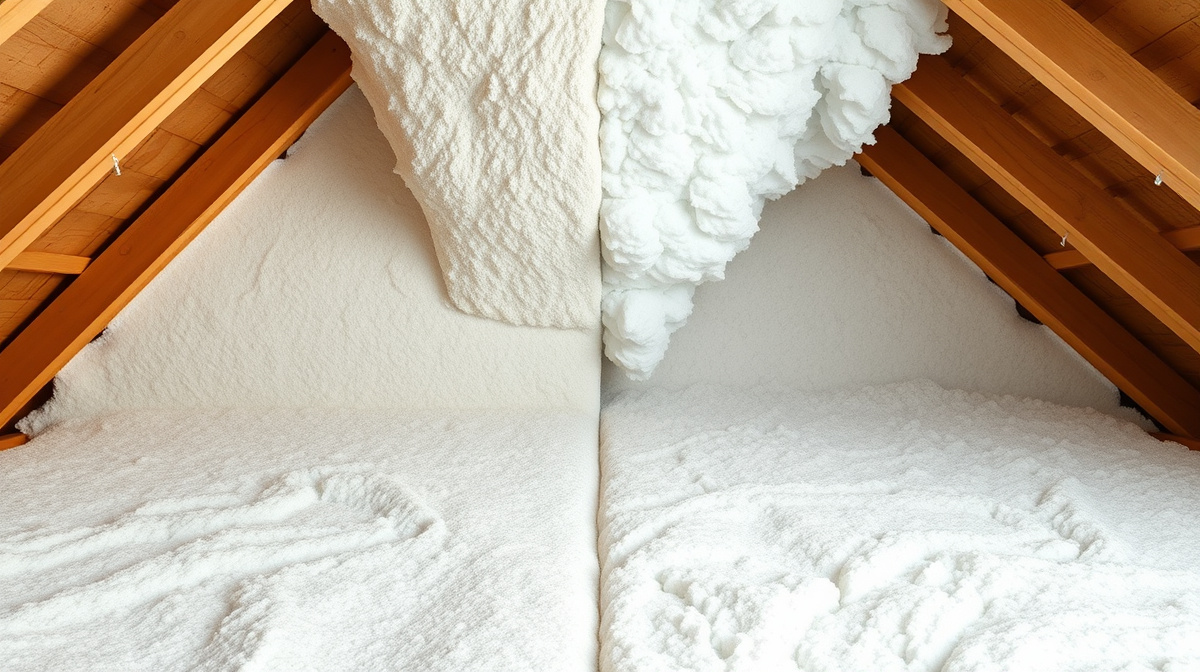
Attic insulation — blown-in cellulose or fiberglass on the attic floor, or spray foam on the roof deck — works by slowing conductive and convective heat transfer. It resists heat trying to move through it, whether that heat is trying to get into your home in July or escape out of it on a cold January night. It's doing a job in both directions, all year.
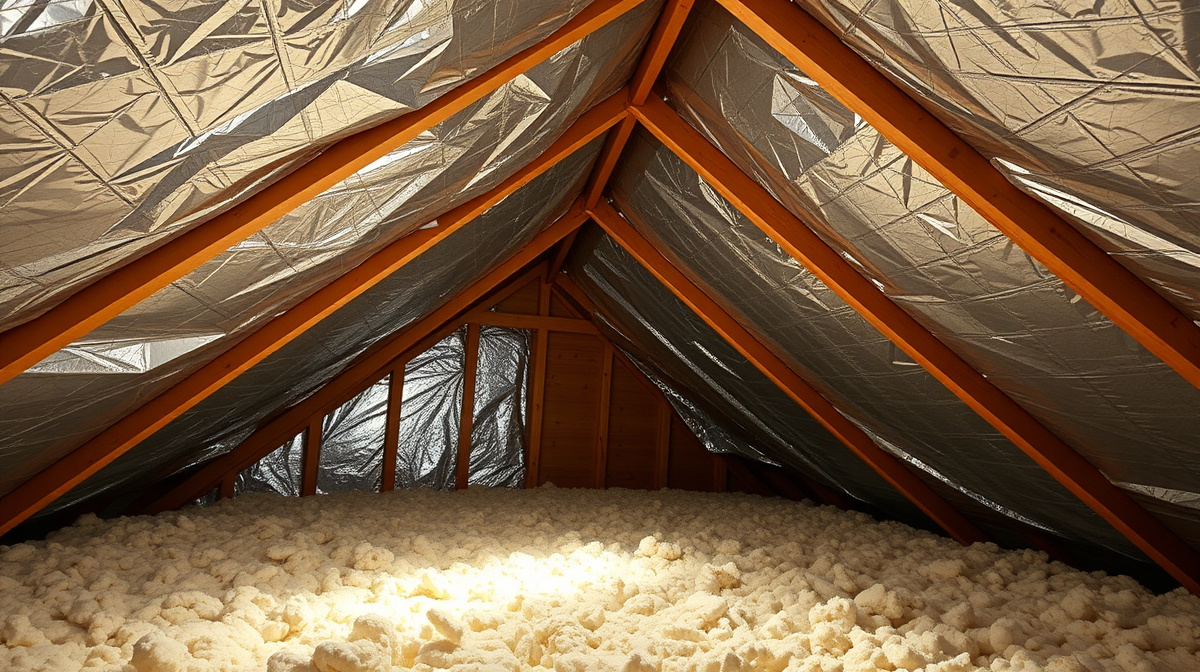
A radiant barrier works completely differently. It's a reflective material, usually installed under the roof deck or draped over existing attic insulation, that reflects radiant heat instead of absorbing and re-radiating it. In an un-radiant-barriered attic, the underside of a sun-baked roof deck can hit well over 150°F and radiates that heat downward onto everything below it, including your attic insulation and any ductwork sitting nearby. A radiant barrier bounces a large share of that radiant energy back before it ever gets the chance to heat the attic air. Industry figures commonly cite a 10–30°F reduction in attic temperature and a 5–15% reduction in cooling load from a properly installed radiant barrier — meaningful, but it's a summer-specific, one-direction tool. It does essentially nothing to help you hold heat in on a cold desert night, which is exactly why it's a complement to insulation, not a substitute for it.
Why this matters more in a high-desert climate
Yavapai County's elevation doesn't cancel out the sun. Prescott and Dewey-Humboldt sit at roughly 4,900 to 5,300 feet, which means thinner atmosphere and more direct solar radiation hitting your roof, even as overnight temperatures swing 30–40°F cooler than the afternoon high. That combination — intense radiant heat gain during the day, real cold at night — is exactly the scenario where insulation and radiant barrier each earn their keep in their own lane. A home that's already properly insulated to R-38–R-49 and air-sealed gets a genuine additional benefit from a radiant barrier, because the barrier is now knocking down the radiant heat load before it ever reaches insulation and ductwork that are already doing their job well.
A home that's under-insulated, on the other hand, gets far less value from a radiant barrier alone. It might feel a little relief in the attic, but heat will still conduct through thin or gapped insulation and leak through unsealed penetrations, and the home will still lose heat badly on cold nights since radiant barrier offers no help there. If you only have budget for one project this year, insulation and air sealing should come first almost every time.
The ducts-in-attic angle
This is where a radiant barrier earns some of its strongest local relevance. A lot of newer construction around Prescott Valley and Chino Valley routes HVAC ductwork and the air handler through the attic — a space that, without intervention, is one of the hottest places on the property most summer afternoons. Air moving through ducts sitting in a 150°F attic picks up heat before it ever reaches your vents, forcing your system to work harder and costing you real cooling capacity and money. A radiant barrier installed under the roof deck knocks down the ambient attic temperature those ducts are sitting in, which directly protects the cooled air traveling through them — on top of whatever direct comfort benefit it provides to the living space below.
Properly sealed and insulated ductwork should still be the first fix if your ducts are leaking or under-insulated — but for a home where duct sealing and insulation are already in good shape, adding a radiant barrier is a smart next step specifically because of the attic-duct heat exposure common in this area.
Don't forget ventilation
Neither insulation nor a radiant barrier does its best work in a poorly ventilated attic. Proper soffit-and-ridge airflow lets superheated attic air escape rather than build up and soak into everything around it, including insulation, roof framing, and any ductwork present. If your attic still runs extremely hot even after insulation and a radiant barrier are in place, inadequate ventilation is often the missing piece — and it's usually a straightforward fix compared to redoing insulation work.
- Under-insulated attic, no radiant barrier: insulate and air-seal first — biggest impact, works year-round.
- Properly insulated attic, still hot in summer: a radiant barrier is a strong next addition, especially with ducts in the attic.
- Attic runs hot even with insulation and radiant barrier: check soffit-and-ridge ventilation before adding more of either.
- New construction or major remodel: plan insulation, radiant barrier, and ventilation together from the start rather than retrofitting piecemeal.
The bottom line for Yavapai County homes
Think of it as a sequence, not a choice: air-seal first, insulate to R-38–R-49, confirm your attic ventilation is doing its job, and then add a radiant barrier as the finishing move — especially if your ducts live in the attic or your roof takes a direct hit from the summer sun. Skipping straight to a radiant barrier on an under-insulated, poorly sealed attic is the most common way homeowners around Prescott and Dewey-Humboldt end up disappointed with the result. Do the sequence in order and each dollar spent compounds instead of competing.
We'll walk your attic with you, tell you honestly where you stand today, and lay out exactly what order makes sense for your home and budget. Call 844-967-5247 for a free estimate covering insulation, air sealing, ventilation, and radiant barrier together.
Frequently asked questions
Yes — a properly installed radiant barrier commonly reduces attic temperature by roughly 10–30°F and can cut cooling load by around 5–15%. It works by reflecting radiant heat rather than absorbing it, which is especially effective under our intense high-desert summer sun. It's a summer-focused tool, though, and provides little benefit for winter heat retention.
Insulation and air sealing should come first — they work in both directions, all year, and are the foundation everything else builds on. A radiant barrier is a strong addition once your attic is already properly insulated and sealed, particularly if ductwork or an air handler sits in the attic.
Possibly. If your attic still runs very hot even after insulation and a radiant barrier are in place, inadequate soffit-and-ridge ventilation is often the culprit. Ventilation, insulation, and radiant barrier all work together — none of them fully compensates for a gap in the other two.
Ready for a free quote?
Tell us about your home and we'll build a clear quote — rebates included.