Spray Foam Insulation in Dewey-Humboldt & Prescott, AZ
The highest R-value per inch and a built-in air seal in a single application — the strongest defense against Yavapai County's scorching attic heat and cold high-desert nights.
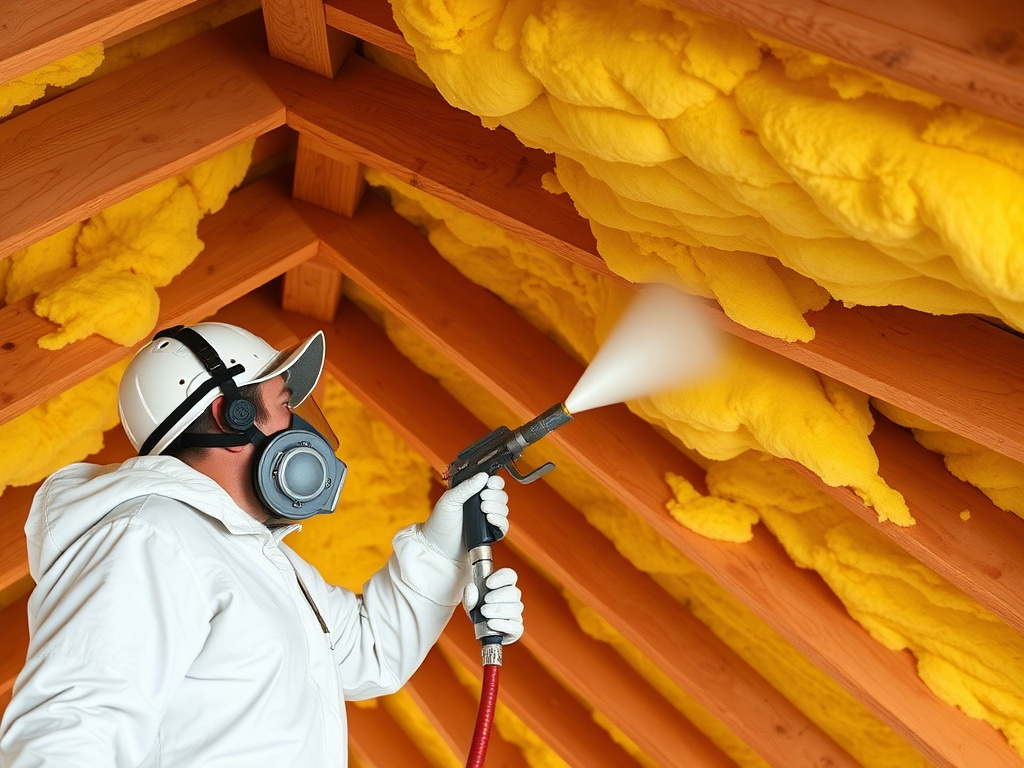
Spray foam is the highest-performing insulation available for a Dewey-Humboldt or Prescott-area home, and it's the product we reach for when a house is fighting both ends of Yavapai County's climate at once: attics that bake past 140-160°F under the summer sun, and clear high-desert nights that can drop into the 20s just a few hours later. Traditional insulation only slows heat transfer. Spray foam expands to fill every gap, crack, and irregular framing cavity, insulating and air-sealing in a single step — which matters enormously at 5,000+ feet, where thin, dry air and big diurnal swings punish any home with a leaky envelope.
We install both open-cell and closed-cell spray foam and match the right product to the application — roof deck, attic floor, garage, or new-construction cavity. Whether you're in a historic Jerome hillside home, a newer Prescott Valley build, or a ranch property out in Chino Valley or Spring Valley, spray foam delivers a level of airtightness and R-value per inch that blown-in and batt insulation simply can't touch, especially in the spots that leak the most energy.
Why homeowners choose it
- The highest R-value per inch of any common insulation material
- Air-seals and insulates in one application — blocks both summer heat gain and winter heat loss
- Cuts monsoon-season dust and wind-driven moisture infiltration
- Resists settling and sagging, unlike loose-fill products over time
- Strengthens the roof deck and reduces attic temperature swings that stress HVAC ducts
- Excellent for hard-to-insulate spaces like garages, rim joists, and irregular framing
Open-cell vs. closed-cell spray foam
Open-cell foam is lighter, less expensive per square foot, and does an excellent job air-sealing attics and interior walls — a strong fit for most Dewey-Humboldt and Prescott Valley attic-floor applications. Closed-cell foam is denser, delivers a higher R-value per inch, adds structural rigidity, and resists moisture intrusion better, which makes it the right call for garages, roof decks exposed to monsoon-driven wind and rain, and any application where space is tight and every inch of R-value counts.
We'll walk your attic or garage with you and recommend the product that fits both your budget and the specific conditions of your home — elevation, roof type, existing ventilation, and whether ducts and equipment live in the attic all factor into that call.
- Open-cell: lower cost, strong air seal, best for attic floors and interior cavities
- Closed-cell: higher R-value per inch, moisture-resistant, adds rigidity for roof decks and garages
- Closed-cell typically runs R-6 to R-7 per inch versus open-cell's R-3.5 to R-4
- Both stop the air infiltration that drives up cooling and heating costs alike
Roof-deck vs. attic-floor application
Spraying the underside of the roof deck creates a sealed, conditioned attic — a smart move when ducts and HVAC equipment sit in the attic, which is common across newer Prescott-area construction. It keeps your ductwork out of the 140-160°F extreme and cuts the energy your system wastes just fighting attic heat before air ever reaches a vent. Spraying the attic floor instead keeps the attic itself vented and closer to outdoor temperature, which is often the better and more economical choice when ducts and equipment are located elsewhere in the home.
There's no universal right answer — it depends on your home's layout, existing ventilation, and where your mechanical systems live. We evaluate that during your on-site estimate rather than defaulting to one approach.
Garage insulation and new-construction builds
Garages in Yavapai County take a beating from both directions — blistering summer heat radiating through an uninsulated roof and door, and cold snaps that make a garage workshop miserable in January. Closed-cell spray foam on the garage ceiling and gable walls (R-6 to R-7 per inch) dramatically outperforms a standard R-3-per-inch batt job, especially if the garage shares a wall with living space or houses a freezer, workshop, or home gym.
For builders and homeowners working on new construction across Prescott Valley, Chino Valley, and Dewey-Humboldt, we work directly with your framing schedule to spray wall cavities and roof decks before drywall, helping the build meet current energy-code air-tightness targets. We coordinate around your blower-door test timeline and can quote by square footage for whole-home new-build packages.
Ideal for
- Attics regularly hitting 140-160°F in summer
- Garages used as workshops or living space that need real temperature control
- New-construction builds wanting a code-ready, high-performance envelope from day one
- Homes with ducts and air handlers located in the attic
- Older or irregularly framed homes in Jerome, Prescott, or Cottonwood with hard-to-fill cavities
What affects the cost
Spray Foam Insulation questions, answered
Open-cell spray foam typically runs in the low-to-mid dollars per square foot, while closed-cell runs higher due to its density and R-value per inch. Exact pricing depends on square footage, access, and whether old insulation needs to be removed first — we'll give you a firm number after an on-site walkthrough of your Dewey-Humboldt or Prescott-area home.
For attics that regularly hit 140-160°F and garages that see huge temperature extremes, yes — the airtight seal spray foam creates stops hot air infiltration in summer and heat loss on cold high-desert nights, which most homeowners see reflected in lower cooling and heating runtime year-round.
It depends on where your ductwork and HVAC equipment sit. If they're in the attic, roof-deck spraying creates a sealed, conditioned attic that protects that equipment from extreme heat. If your mechanicals are elsewhere, attic-floor application is usually the more cost-effective choice. We evaluate your specific layout during the estimate.
Properly installed spray foam cures within hours and is inert once fully cured. We follow manufacturer re-occupancy times and ventilate the work area during installation. If you have specific health sensitivities, tell us up front and we'll talk through product options and timing.
Spray Foam Insulation done right, by a local Dewey-Humboldt crew
Spray Foam Insulation isn't a commodity — the result depends entirely on how carefully it's planned and installed for your specific home and Yavapai County's high-desert climate. We assess what your house actually needs, prep and air-seal properly, and install to your target R-value, so the work delivers the comfort and savings it's supposed to. No shortcuts, no builder-grade rush.
We serve Dewey-Humboldt, Prescott, Prescott Valley, Chino Valley, Cottonwood, Jerome, Mayer, Spring Valley, and the rest of the greater Prescott area, and we'll help you find the current APS and UniSource rebates that bring your project cost down. Every job starts with a free, no-pressure quote.
Just as important, we treat your home like the system it is. Insulation, air sealing, ventilation, and moisture control all interact, and getting one right while ignoring the others leaves comfort and savings on the table. When we scope your spray foam insulation, we look at how it fits the whole picture — so the finished result performs the way it should, holds up through both 150°F+ summer attics and cold high-desert winter nights, and actually lowers the bills you feel every month. That whole-home mindset, plus honest advice about what your house truly needs, is what our neighbors across Yavapai County count on us for.
Free assessment
We evaluate your home and give you a clear, itemized quote with rebates factored in.
Expert install
We prep, air seal, and install your spray foam insulation to spec — clean and on schedule.
Savings you can feel
A more comfortable home, lower bills, and help claiming every rebate you qualify for.
Related services
Ready for a free spray foam insulation quote?
Tell us about your home and we'll put together a clear, no-pressure quote — plus show you which APS & UniSource rebates you qualify for.