Air Sealing & Energy Efficiency in Dewey-Humboldt & Prescott, AZ
Sealing the gaps, cracks, and duct leaks that let hot air, cold drafts, and monsoon dust into your home — the step that should happen before you add insulation, not after.
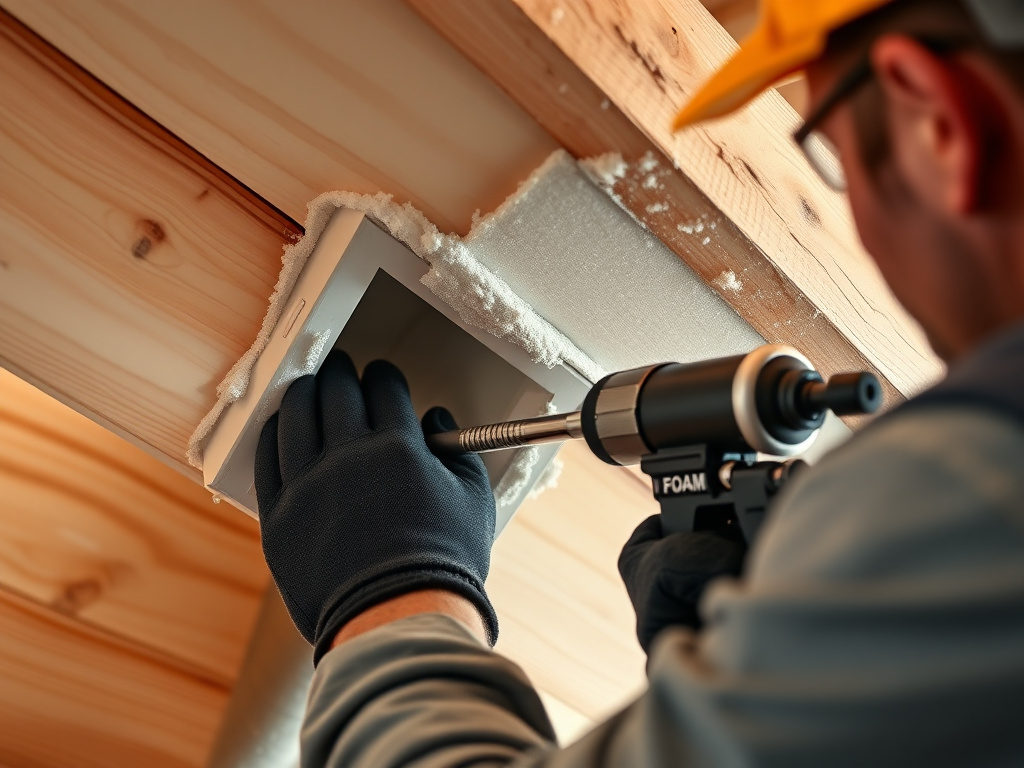
Air sealing is the unglamorous, high-impact step that most homeowners skip and most competitors barely mention — and it's the one we recommend addressing before adding new insulation, not after. Gaps around plumbing penetrations, recessed lighting, top plates, attic hatches, and duct connections let hot 140°F+ attic air infiltrate living space in summer, let conditioned air escape on cold high-desert nights, and let monsoon-season dust and wind-driven grit work their way into your home July through September. Insulation slows heat transfer through solid material; air sealing stops the air itself from moving through gaps insulation was never designed to block.
We assess your home's air-leakage points — attic penetrations, duct connections, can lights, plumbing and electrical chases — and seal them with the right material for each gap: caulk, foam sealant, mastic, or weatherstripping depending on the location. For homes with ductwork and air handlers in the attic, which is common across newer Prescott-area construction, duct sealing is often the single highest-value air-sealing task on the list, since leaky ducts are actively pulling in 140°F+ attic air and losing conditioned air before it ever reaches a vent.
Why homeowners choose it
- Stops hot attic air infiltration into living space during summer
- Reduces cold-air drafts and heat loss on cold high-desert nights
- Cuts monsoon-season dust, pollen, and grit infiltration through gaps
- Improves the effectiveness of any insulation added afterward
- Duct sealing reduces energy loss when HVAC equipment is in the attic
- Often the most cost-effective single step toward lower energy bills
Why air sealing should happen before you insulate
Insulation is designed to slow heat conducting through material — it isn't designed to stop air from moving through gaps and cracks. If you add a fresh layer of blown-in insulation over an attic floor riddled with unsealed penetrations, you've buried the leaks rather than fixed them, and hot or cold air will keep finding its way through regardless of how much material sits on top. Sealing first means every dollar spent on insulation afterward actually performs at its rated value instead of fighting air movement insulation was never built to stop.
This is a simple sequencing point that gets skipped constantly in this market — we build it into every insulation quote as a recommended (and usually inexpensive) first step rather than an upsell.
- Seals attic penetrations: plumbing stacks, wiring chases, can lights, attic hatches
- Addresses top-plate gaps where interior walls meet the attic floor
- Weatherstrips and seals attic access doors, a commonly overlooked leak point
- Sets insulation up to perform at its full rated R-value afterward
Duct sealing — the attic HVAC connection
A huge share of Prescott-area, Prescott Valley, and Chino Valley homes built in the last few decades route ductwork and sometimes the air handler itself through the attic — a space that can hit 140-160°F in summer. Leaky duct joints in that environment are actively pulling superheated attic air into your supply air and losing conditioned air before it reaches a single vent in your house. Sealing duct connections with mastic or code-rated tape (not standard duct tape, which fails quickly in extreme heat) is one of the highest-return air-sealing tasks available in this climate.
We inspect accessible duct runs and connections as part of an attic assessment and can seal leaks in the same visit as an insulation or radiant-barrier job.
Monsoon dust, drafts, and whole-home efficiency
July through September, Yavapai County's monsoon season brings wind-driven dust and moisture that finds its way into homes through the same gaps that leak conditioned air the rest of the year. Homeowners who notice dust buildup on interior surfaces or a musty smell after a big storm are often feeling the effects of unsealed penetrations and gaps around windows, doors, and attic access points. A thorough air-sealing pass addresses both problems at once — energy efficiency and monsoon-season air quality — since they're caused by the same gaps.
Ideal for
- Homes about to add or upgrade insulation — do this step first
- Older homes across Jerome, Prescott, and Dewey-Humboldt with visible gaps around penetrations
- Homes with HVAC ducts and air handlers located in the attic
- Anyone noticing dust buildup or drafts that track with monsoon season
- Homeowners preparing for an energy audit or chasing rebate/tax-credit eligibility
What affects the cost
Air Sealing questions, answered
Air sealing closes gaps and cracks that let air move through your home's envelope — around plumbing, wiring, can lights, and duct connections. It should happen before adding new insulation, since insulation only slows heat through material, not air moving through unsealed gaps. Sealing first means new insulation performs at its full rated value.
Yes — the same gaps that leak conditioned air also let wind-driven dust and monsoon moisture into your home July through September. A thorough air-sealing pass addresses both energy loss and monsoon-season air quality at once.
Attics regularly hit 140-160°F in summer. Leaky duct connections in that environment pull superheated attic air into your supply air and lose conditioned air before it reaches a vent — sealing those connections is one of the highest-return efficiency upgrades available for attic-duct homes.
Results vary by home, but a combined attic insulation and air-sealing upgrade commonly reduces cooling costs by up to 30% for homes that were significantly underinsulated or leaky beforehand. An on-site assessment gives a more specific picture for your house.
Air Sealing done right, by a local Dewey-Humboldt crew
Air Sealing isn't a commodity — the result depends entirely on how carefully it's planned and installed for your specific home and Yavapai County's high-desert climate. We assess what your house actually needs, prep and air-seal properly, and install to your target R-value, so the work delivers the comfort and savings it's supposed to. No shortcuts, no builder-grade rush.
We serve Dewey-Humboldt, Prescott, Prescott Valley, Chino Valley, Cottonwood, Jerome, Mayer, Spring Valley, and the rest of the greater Prescott area, and we'll help you find the current APS and UniSource rebates that bring your project cost down. Every job starts with a free, no-pressure quote.
Just as important, we treat your home like the system it is. Insulation, air sealing, ventilation, and moisture control all interact, and getting one right while ignoring the others leaves comfort and savings on the table. When we scope your air sealing, we look at how it fits the whole picture — so the finished result performs the way it should, holds up through both 150°F+ summer attics and cold high-desert winter nights, and actually lowers the bills you feel every month. That whole-home mindset, plus honest advice about what your house truly needs, is what our neighbors across Yavapai County count on us for.
Free assessment
We evaluate your home and give you a clear, itemized quote with rebates factored in.
Expert install
We prep, air seal, and install your air sealing to spec — clean and on schedule.
Savings you can feel
A more comfortable home, lower bills, and help claiming every rebate you qualify for.
Related services
Ready for a free air sealing quote?
Tell us about your home and we'll put together a clear, no-pressure quote — plus show you which APS & UniSource rebates you qualify for.