How Much Can Better Insulation Lower Your Summer Electric Bill in Yavapai County?
Every summer, Yavapai County homeowners watch their APS or UniSource bill climb along with the thermometer, and the same question comes up on nearly every estimate we run: "How much will this actually save me?" It's a fair question, and it deserves a real answer rather than a vague promise. Here's what realistic insulation savings look like for a Dewey-Humboldt or Prescott-area home, how payback period actually works, and why starting with a home energy audit gets you a number specific to your house instead of a generic industry range.
Where your summer cooling dollars actually go
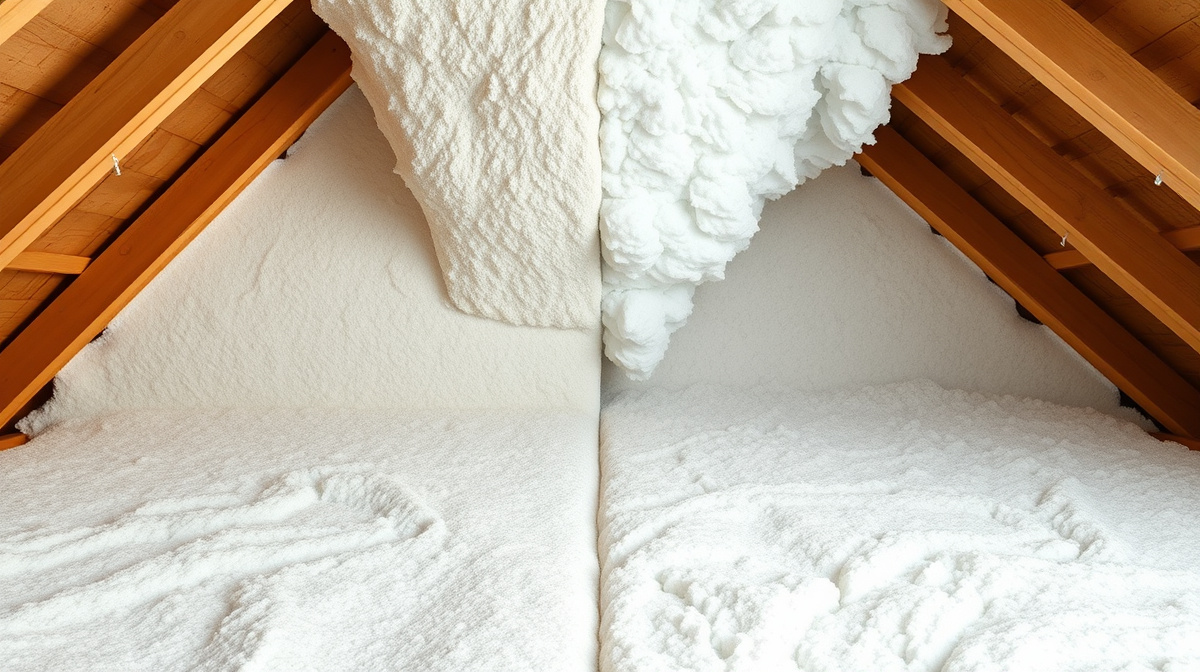
In a high-desert Arizona home, the attic is doing most of the damage. Industry estimates commonly put the attic at 60–70% of a home's total potential energy-savings opportunity, because it's both the hottest part of the building envelope in summer — regularly hitting 140–160°F under direct sun — and the biggest surface area exposed to that heat. Every degree that heat radiates and conducts down into your living space is a degree your air conditioner has to fight, running longer and harder to hold your thermostat setting. Add in air leaks around can lights, the attic hatch, and duct penetrations, and a poorly insulated, poorly sealed attic is essentially handing outside heat a free path into your home all afternoon.
That's why insulation and air sealing consistently produce some of the largest cooling-cost reductions of any home improvement, dollar for dollar. Homes that upgrade an under-insulated attic to a proper R-38–R-49 target with air sealing commonly see cooling-cost reductions in a broad range often cited around 20–50%, depending heavily on the starting condition of the attic, the size and shape of the home, and how leaky it was to begin with. A home starting at R-13 with an unsealed attic hatch and open can lights has far more room to improve than one already sitting at R-30 with decent sealing — which is exactly why a real number for your home requires looking at your home, not just quoting an industry average.
Payback period: when does it pay for itself?
Payback period is the real question behind "how much will I save" — how long until the project has paid for itself in reduced electric bills. For a typical attic insulation and air-sealing project in this market, payback commonly falls somewhere in the range of roughly 2.5 to 6 years, depending on the scope of the work, your home's size, your current energy usage, and how the project qualifies for available incentives like the federal 25C tax credit or a current APS or UniSource program. A project on the lower end of that range — a moderately under-insulated attic with straightforward air sealing — pays for itself faster. A larger project involving removal of contaminated insulation, extensive air sealing, and roof-deck spray foam takes longer to break even but delivers a bigger comfort and durability upgrade along the way.
After payback, every year of savings is money back in your pocket for a home improvement that's already earned out — and unlike a lot of home upgrades, insulation keeps delivering that value for decades with essentially no maintenance.
The factors that move your number up or down
- Your starting R-value — the lower it is today, the bigger the improvement and the faster the payback.
- Air sealing quality — insulation without sealing underperforms, no matter how much R-value you add.
- Home size and layout — larger attics and more complex rooflines have more surface area for heat gain, and more potential savings.
- Duct location and condition — ducts running through a hot, unsealed attic waste cooled air before it reaches your rooms.
- Your HVAC system's condition — insulation reduces the load on your system, but an aging or oversized unit changes how much of that reduction shows up on the bill.
- Whether you capture available incentives — a rebate or the federal 25C credit lowers your net cost, which shortens payback even if your energy savings stay the same.
Why a home energy audit is the smart first step
Rather than guessing at savings, a home energy audit gives you real numbers for your specific house. It typically involves an assessment of your current attic insulation depth and condition, a check for obvious air leaks, and a look at duct condition if your system runs through the attic. That assessment turns a vague "insulation might help" into a prioritized, evidence-based list: seal this, add insulation here to reach target, address this duct run. It's also frequently the documentation that utility rebate programs want to see before and after a project, which protects your ability to claim whatever incentive is currently available through APS or UniSource.
Skipping the audit and jumping straight to a guess-and-check approach is how homeowners end up either overspending on insulation depth they didn't need, or underspending and leaving the biggest leaks unaddressed. Starting with an assessment costs little and pays for itself many times over in a better-targeted project.
What a well-executed project actually delivers
Put together — attic insulation brought up to R-38–R-49, air sealing addressing the real leak points, and ducts checked and sealed if they're in the attic — a properly executed project in Dewey-Humboldt, Prescott, Prescott Valley, or the surrounding communities should produce a noticeable, measurable drop in your summer electric bill, a more even temperature from room to room, less strain on your HVAC system (which can extend its life), and a home that's genuinely more comfortable through both a 105°F afternoon and a cold winter night. That's the real return on an insulation project — not just a lower bill, but a house that stops fighting the climate every single day.
Want a real number instead of a range? We offer energy audits across Yavapai County and can show you exactly where your home stands and what a project would realistically save. Call 844-967-5247 for a free estimate.
Frequently asked questions
Homes that upgrade an under-insulated attic with proper air sealing commonly see cooling-cost reductions often cited in a broad range around 20–50%, depending heavily on the starting condition of the attic and how leaky the home was beforehand. A home energy audit gives you a number specific to your house rather than a generic estimate.
Typical projects pay for themselves in roughly 2.5 to 6 years through reduced electric bills, depending on project scope, home size, and whether the project qualifies for current incentives like the federal 25C tax credit or an APS or UniSource program, which lower net cost and shorten payback.
It's not strictly required, but it's the smart first move. An audit gives you a prioritized, evidence-based picture of your attic's current condition instead of a guess, and it's often the documentation utility rebate programs want to see. We offer audits as part of the estimate process.
Ready for a free quote?
Tell us about your home and we'll build a clear quote — rebates included.